

Shower tray guide
Everything there is to know about microcement shower trays
Why most commonly used shower trays are not suitable for microcement:
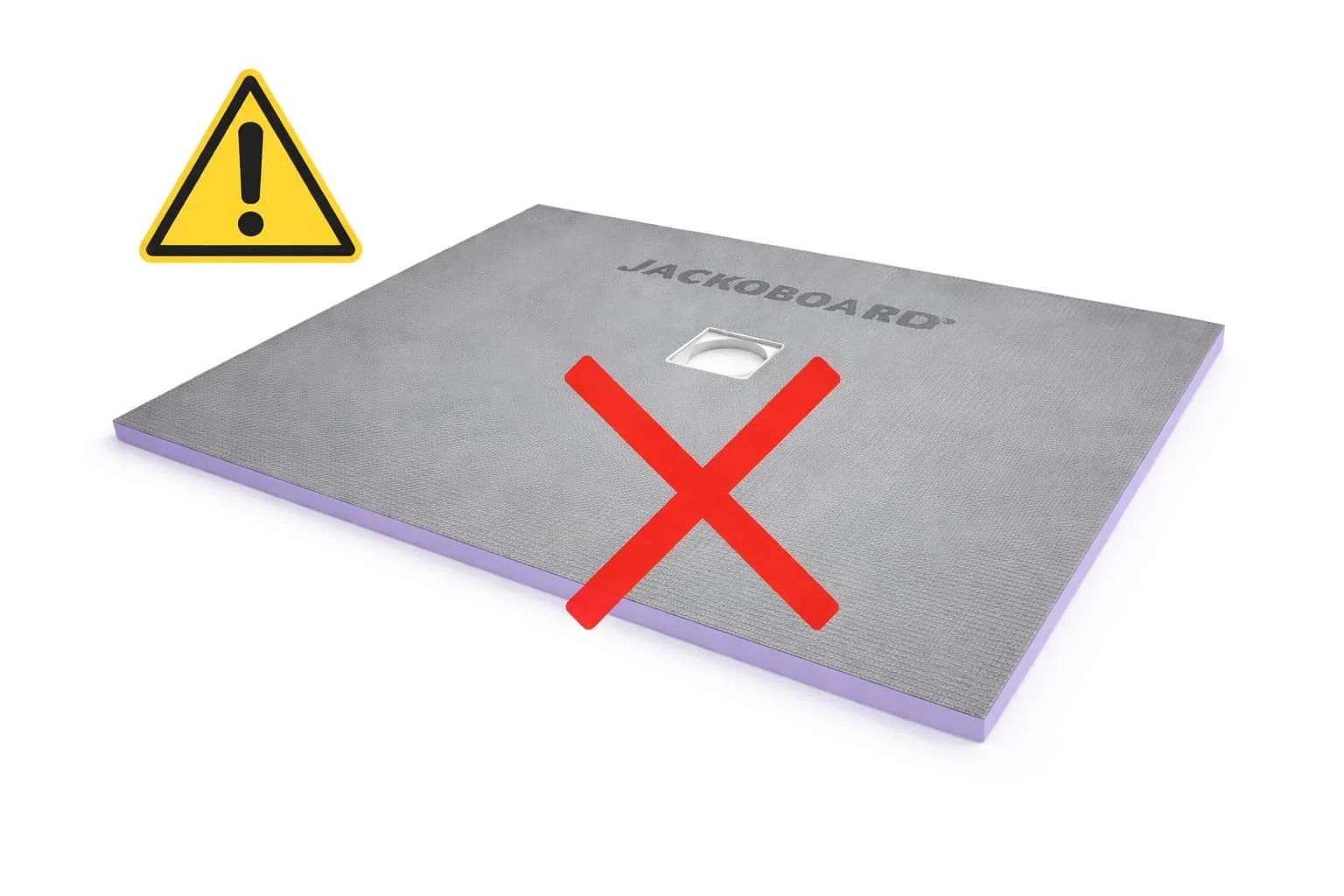
Most commonly used shower trays are made from foam, with only a thin cement coating applied to the surface for tile adhesion. This type of construction makes them unsuitable for microcement, as the surface lacks the necessary strength and rigidity.
Unlike solid shower trays, foam trays do not provide the same level of stability, which increases the risk of movement and potential cracking in the microcement finish.
Another common issue is inadequate falls. Many of these trays are designed with minimal or insufficient slope, as the final falls are intended to be created using tiles. This approach does not translate well to microcement applications, where precise, pre-formed drainage is essential.
In addition, the waste system is typically designed for tiled finishes, with the drain sitting 10–15mm above floor level. This makes it not impossible—to achieve a true flush, seamless finish when using microcement.
Which shower trays to use for microcement finish and why
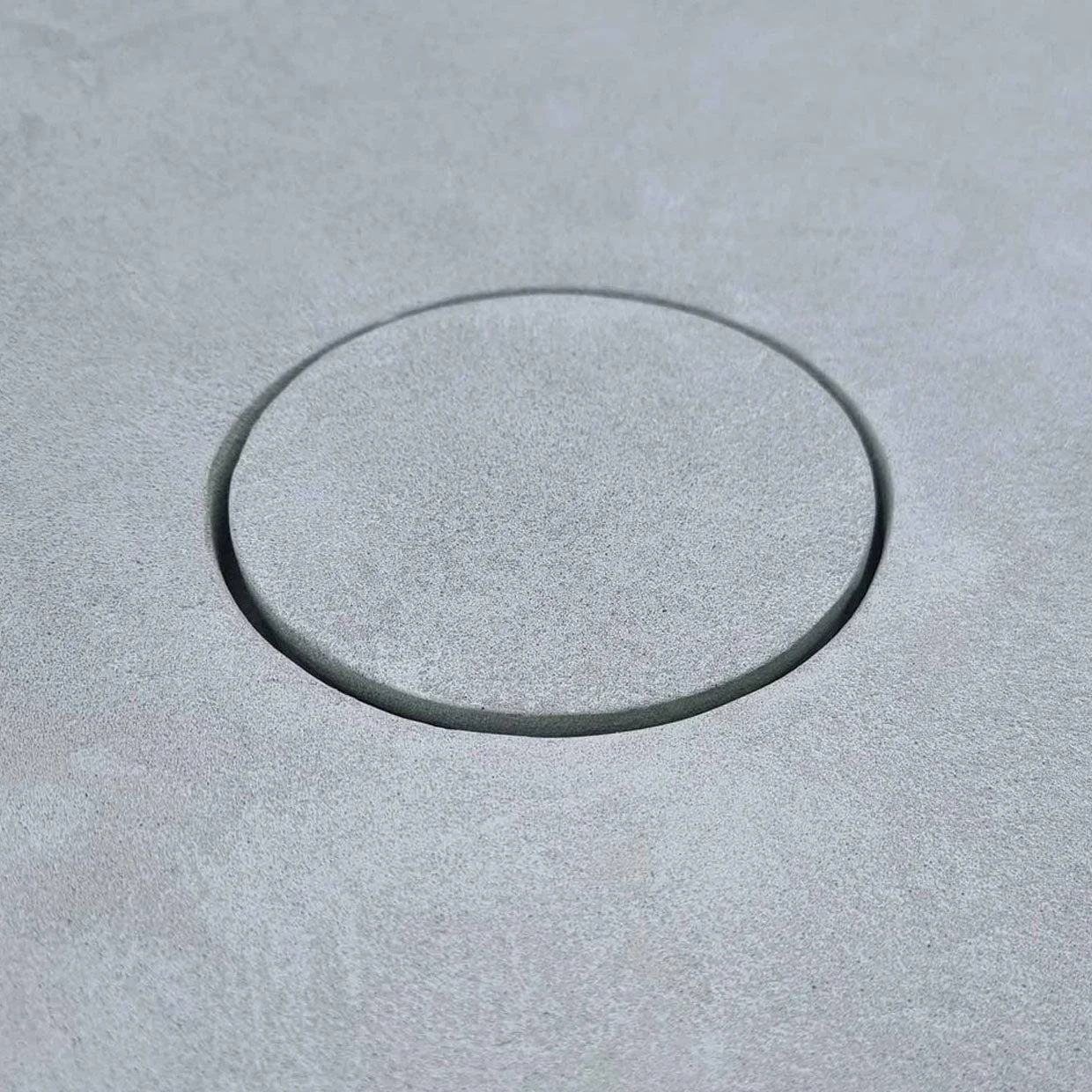
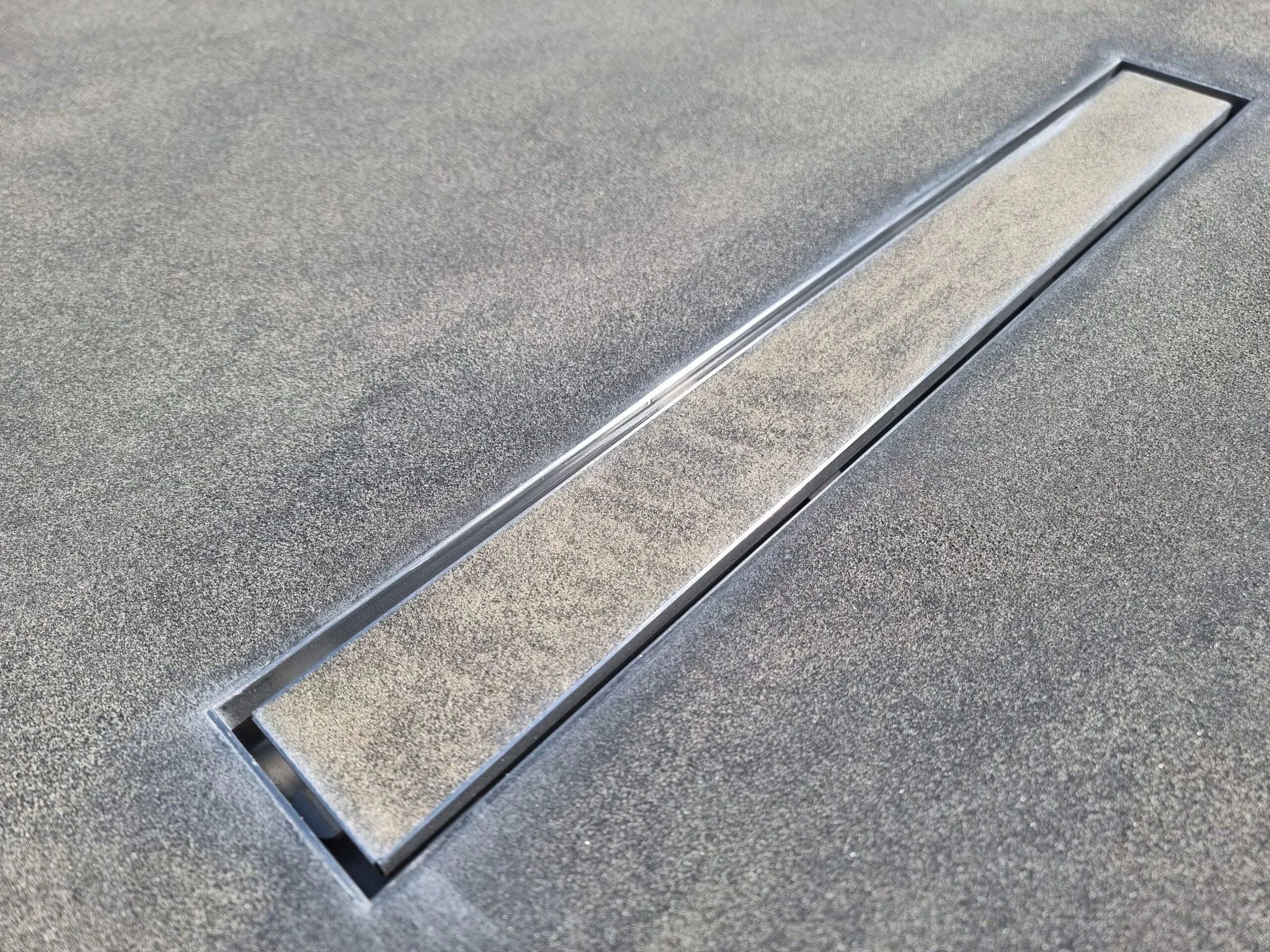
Linear shower tray system
Round shower tray system
We’ve used a range of shower tray systems designed for microcement over the years.
Resin Rock stands out as the best by far.
Resin Rock is by far the most reliable and high-performing solution.
Resin Rock consistently delivers the best results—no compromise.
Built for Microcement Bonding -
A proper microcement tray is designed specifically for adhesion.
Unlike standard trays, it provides a stable, compatible surface that allows microcement to bond correctly without delamination.Eliminates Movement and Flex -
Microcement is a thin, rigid finish—any movement underneath can cause cracks.
A high-quality tray offers: Structural rigidity No flex under loadPre-Formed Falls for Perfect Drainage
Getting falls right on-site is one of the biggest risks in wet areas.
A microcement shower tray comes with: Precision-engineered slope & Consistent water flow to the drain
Seamless Integration with the Floor
These trays are designed to sit flush with surrounding boards, allowing: Continuous microcement finish & Modern, joint-free look
Reduces Installation Errors
Traditional methods rely heavily on site skill.Using a purpose-made tray: Removes complex forming work, Speeds up installation and Reduces risk of costly mistakes
Planning a microcement shower?
See our microcement bathrooms and walls service for seamless waterproof finishes in London.
We do offer 10% trade discount codes for our clients